

(Пре)създаване на национална идентичност в Гърция през XIX век: национална идентичност, образование и европейски възприятия за Гърция
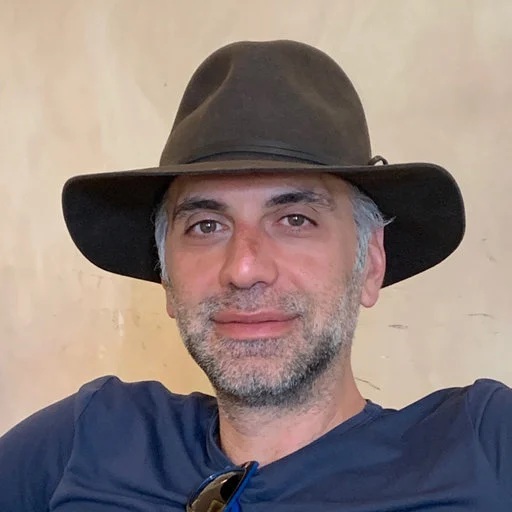
Теодор Г. Зервас
Нацията, също като индивида, е кулминация от продължително минало от различни начинания, жертви и себеотрицания. От всички култове, онзи на предшествениците е най-легитимният, защото предшествениците са ни направили онова, което сме. Едно героично минало, велики хора, слава (при което разбирам истинска слава) — това е социалният капитал, върху който се основава националната идея. Да притежавате обща слава в миналото и обща воля в настоящето; да сте извършвали велики дела заедно, да желаете да извършите още повече такива — това са същностните предпоставки за създаването на един народ… Спартанската песен — „Ние сме онова, което вие сте били; ние ще бъдем онова, което вие сте“, е, в своята простота, краткият химн на всяка родина… 1
Ернест Ренан
Въведение
Тази публикация разглежда опитите в Гърция и Европа през XIX век за (пре)създаване на гръцка идентичност, основана на древногръцкото минало. Тя е организирана в шест части и започва с дефиниране на нацията и националната идентичност. След това статията анализира произхода на съвременната гръцка идентичност и обсъжда как определени византийски гърци вярват, че древногръцкото минало е свързано с настоящата идентичност. Текстът продължава с описание на това до каква степен гръцката идентичност и пробуждането на Древна Гърция са важни за редица западноевропейски интелектуалци, наричащи себе си филелини. За филелините Гърция е източникът на западната цивилизация и като такава Западна Европа дължи голяма част от своите интелектуални корени на Гърция. Статията завършва с разглеждане на това как „другите“ — най-вече западноевропейците —възприемат съвременните гърци. Голямата част от свидетелствата за тези възприятия идва под формата на изкуство и литература от периода непосредствено преди гръцката независимост. Читателят ще установи, че Гърция се бори да открие своята национална идентичност, сблъсквайки се с „ориенталските“ традиции и западното културно наследство, с православните християнски убеждения и новите секуларни стремежи, с традиционните обичаи и амбицията за модернизация.
Определяне на нацията и националната идентичност
Нацията и националната идентичност са понятия, които по време на Гръцката революция се различават значително от аналогичните представи, съществували в Древна Гърция. Античността е организирана около малки градове-държави, чиито граници и територии не са ясно определени. В резултат на това древните гърци се самоопределят според града или селището, в което живеят, а не според общоприета гръцка нация и идентичност. Разбира се, те осъзнават ясно, че хората в тези полиси споделят културни сходства като религия, език и общи традиции. Въпреки това съперничеството между градовете-държави и постоянните войни помежду им неизменно подчертават техните различия.
Според няколко историци съвременните концепции за националната държава и националната идентичност се появяват в Европа едва през XVIII век и в по-голямата си част това са нови конструкции.2 Въпреки това идеята за принадлежност към общност от хора, споделящи сходни културни характеристики — нацията — съществува отдавна. Най-ранните нации се състоят от групи хора, обитаващи малки градчета и села. Когато населението се увеличава до размерите на град, заедно с него се разрастват неговата нация или народ. Границите се установяват, а националните жизнени пространства и националните граници стават по-добре очертани на политическите карти. Хората и правителствата също установяват, че хората обикновено живеят в по-голям мир едни с други — в предписаните рамки на своите национални държави — отколкото онези, които остават извън техните предели и сред хора, които не са част от тяхната нация.
През XIX век Европа преминава през период на засилен национализъм, който насърчава формирането на националните държави. Това е особено валидно за Италия (1870) и Германия (1871), всяка от които се стреми да консолидира политическата си мощ под единна власт. Те постигат това, като разширяват своето икономическо и културно влияние и обединяват своите народи, които по онова време живеят предимно в малки независими кралства и княжества, около представата за общо споделяна история, култура и родословие. Това създава споделен ангажимент и емоционална връзка с по-голяма национална общност.
За разлика от тях държави като Франция, Испания и Англия рано консолидират своите народи и територии около големи кралства. Тези кралства постепенно се превръщат в съвременни национални държави, тъй като абсолютните монарси губят своята божествена и абсолютна власт, а хората започват да се определят като принадлежащи към нация, а не като поданици на върховен владетел. Междувременно многоетнически империи като Русия, Османската империя и Австро-Унгария се борят да запазят своите територии. Към XIX век множеството етнически групи в рамките на тези империи се стремят да се освободят от ярема на тяхната власт и да образуват свои независими държави. В класическото си съчинение „Какво е нация?“ Ернест Ренан посочва, че
Съвременната нация следователно е исторически резултат, постигнат чрез серия от пресрещащи се факти. Понякога единството е било постигнато от някоя династия, какъвто е случаят във Франция; друг път то е резултат от директната воля на провинциите, както е в Холандия, Швейцария и Белгия; другаде то е постигнато чрез всеобщо национално съзнание — закъсняло, но победило капризите на феодализма, както е в Италия и Германия.3
Съвременни изследователи като Бенедикт Андерсън, Етиен Балибар, Майкъл Хърцфелд, Ерик Хобсбаум, Терънс Рейнджър, Дейвид Лоуентал и Антъни Смит са единодушни, че националната идентичност е свързана с колективната културна идентичност и споделените спомени на етническата общност.4 Нациите се формират около групи, споделящи религия, език и обичаи, и се укрепват чрез създаването на национална история. Тя на свой ред, се фокусира върху постиженията на героите, откривателите, учените, творците и мислителите в обществото. Подобни идеи се реализират и разпространяват чрез национализирана училищна система и масово книгоиздаване. Демонстрирането на символи като знамена, традиционно облекло, паметници и образи от миналото, както и честването на национални и религиозни празници, допълнително подсилват това чувство. Тези послания неявно внушават на индивидите, че са част от общност, създала институциите — училища, църкви и семейни структури — които помагат на нацията да просперира във времето. С други думи, всеки в общността допринася, пряко или косвено, за общия успех.
Накратко, хората в една нация са свързани чрез взаимното си разбирателство и общата представа за своята история и култура. В случая със съвременна Гърция това се проявява чрез емблематични исторически личности, събития и постижения, сред които Сократ, Омир, битката при Маратон, античните Олимпийски игри, Александър Велики, демокрацията, философията и Акропола.5 Нацията обединява членовете си и като им напомня за минали трудности, борби и страдания; единството се формира около споделения исторически опит, дори когато той включва потисничество и преследване. В Гърция (както и в голяма част от Балканите) най-важният пример за такъв тип сплотяване е свързан с потисничеството на народа от страна на османските турци.
Бенедикт Андерсън в своя фундаментален труд „Въобразените общности: Размишления върху произхода и разпространението на национализма“ твърди, че нациите и национализмът са продукти на съвременността, създадени като средство за постигане на политически и икономически цели.6 Особено важна в неговата теория е ролята на масовото книгопечатане и популяризирането на книгите сред широката общественост. Според него всяка нововъзникваща нация си представя, че е древна, измисля митологични разкази за формирането си и обвързва историята си с Античността.7 Националните музеи демонстрират показно пред нацията и света своите старателно поддържани и съхранени реликви.8 Пишат се исторически трудове и след това се преподават на децата в училища. Всичко това има за цел да насърчи чувство за принадлежност, да създаде усещане за национално единство и да стимулира лоялност към отечеството. Дейвид Лоуентал се присъединява към аргументите на Андерсън, като твърди, че
Миналото остава неделима част от всички нас, индивидуално и колективно. Ние трябва да признаем на древните тяхното място... но тяхното минало не е просто там някъде, в една отделна и чужда страна; то е асимилирано в самите нас и възкресено в едно вечно променящо се настояще.9
Лоуентал също така предполага, че националните истории въвеждат аудиторията в пряка връзка с миналото, дори когато тези истории са изкривени или измислени, за да покажат превъзходството на един народ над друг.10
По подобен начин трудовете на Антъни Смит твърдят, че национализмът черпи от предсъществуващата история на „група“, в която групата се опитва да оформи тази история в усещане за обща идентичност и споделено минало.11 Смит смята, че национализмите се основават на исторически погрешни интерпретации на минали събития, склонни открито да митологизират малки и неточни части от историята.12 Гръцкият национализъм, например, черпи масово от падането на Константинопол под османските турци през 1453 г.13 Загубата на града е митологизирана и преукрасена в гръцките исторически разкази, превръщайки се във важна част от гръцката идентичност. На гръцките ученици се преподава още в началното училище точната година, месец и ден на падането на Константинопол под османците (вторник, 29 май 1453 г.). Събитието се описва по начин, който символизира края на някога културно жизнената гръцка цивилизация и началото на дълъг период на потисничество и преследване. Османското управление се представя допълнително като атака срещу гръцката религия — очаквало се е гърците да заменят православното християнство с исляма — но покореният гръцки народ е бил достатъчно силен, за да отблъсне всякакви насилствени религиозни обръщания. Древни гръцки фигури и лидери на Гръцката революция също се идеализират и представят като национални модели; те са описани в гръцките учебници по история като патриоти и герои, защитници на нацията, ревностни последователи на Гръцката православна църква и идеални образци на „гръцкост“ и „елинизъм“.14
Трудът на Андрю Барух Вахтел „Да създадеш нация, да разчупиш нация: литература и културна политика в Югославия“ дава друг пример, при който съпротивата срещу Османската империя се оказва важна за националното изграждане. Той разглежда концепцията за „югославизъм“ като интелектуална конструкция, първоначално замислена от хърватски националисти по време на Илирийското движение от 1830 г.15 Според Вахтел движението за обединена южнославянска национална държава, заемаща северозападните балкански територии на късната Османска империя, възниква и залязва циклично и силата му зависи от общественото настроение в даден момент. До 1918 г. светът намира на картите си обединена Югославия, съставена от различни южнославянски етнически и религиозни групи. Въпреки това новата нация се бори да се съхрани като държава, докато хората все още не са съвсем сигурни как да се самоопределят. С течение на времето се създават югославски паметници, символи и празници с цел насърчаване на обща югославска идентичност. Въвеждат се литература, музика и изкуство, а хората в крайна сметка оставят настрана етническите си различия в полза на по-широкото южнославянско самосъзнание. Но по-малко от век по-късно, през 90-те години, вече няма чувство за сплотеност в югославската общност; връзките, които някога са обединявали югославската нация, постепенно се разпадат, тъй като утвърдената социална спойка избледнява.16 Групите започват да се идентифицират със своето далечно минало и религиозна ориентация, вместо като членове на югославската нация.
Трудовете на Ерик Хобсбаум и Терънс Рейнджър отбелязват, че националните държави понякога изобретяват традиции или изкривяват историческата истина, за да подсигурят своята легитимност.17 Конкретно Хобсбаум и Рейнджър разглеждат как британската монархия изобретява национални традиции, за да оправдае съществуването и значението на Британската империя.18 В речта си пред студенти от Централноевропейския университет Хобсбаум дава личен пример от пътуване до Пакистан. Той отбелязва, че по време на тази визита вижда по улиците на Карачи транспаранти, на които пише: „Пакистан: 3000 години история! “ . Изследователят посочва, че нито името, нито самата държава са замислени преди 1947 г. и че Пакистан е просто съвременно национално и политическо изобретение (каквито са и повечето съвременни държави).19 Етиен Балибар поддържа тезата на Хобсбаум и Рейнджър относно изобретяването на нациите и националните идентичности, като заявява:
Митът за произхода и националната непрекъснатост, който лесно можем да видим как се утвърждава в съвременната история на „младите“ нации (като Индия и Алжир), възникнали с края на колониализма, но за който имаме склонност да забравяме, че е бил изфабрикуван през последните столетия и в случая на „старите“ нации, следователно е ефективна идеологическа форма, в която въображаемата уникалност на националните формирования се конструира ежедневно, чрез движение от настоящето назад към миналото.20
В случая с Гърция антропологичното изследване върху създаването на съвременната гръцка държава показва как след векове османско владичество гръцки учени и интелектуалци конструират културна приемственост чрез фолклористиката, за да защитят национална идентичност, пряко свързана с Античността.21
Хърцфелд излага аргумента, че културното наследство на предимно необразованата селска Гърция е изложено на опасността да бъде присвоено от западната интелигенция. С други думи, хората от провинцията (които съставляват по-голямата част от населението на съвременната Гърция) биха били откъснати от постиженията на древните гърци, а съхранението на тези ценности във времето би било приписано единствено на образованите на Запад личности.22 Гръцката интелигенция обаче отвръща с изобилие от научни изследвания за това как все още могат да се открият следи от античния свят в съвременната държава – по-специално чрез проучване на народната култура и бит. Гръцки учени анализират селските ритуали при сватби и погребения, както и народните песни, за да намерят доказателства за тази приемственост. Откриването на подобни исторически връзки се оказва успешно средство за опровергаване на схващането, че днешните гърци не са потомци на древните, дори когато народната култура често изглежда по-скоро езическа, отколкото гръцка. Въпреки това остават въпроси: каква връзка има съвременният грък с античните елини и как древните гърци могат да станат част от съвременната нация и национална идентичност?
Използвайки Гърция като пример, Хърцфелд развива теориите за национализма и националната идентичност, като изтъква,
…че претенциите на националната държава за фиксирана, вечна идентичност, почиваща върху универсална истина, са сами по себе си — точно както и ходовете на социалните актьори — стратегически адаптации към изискванията на историческия момент.23
Хърцфелд интегрира концепциите си за „социална поетика“ и „културна интимност“ към нацията и националната идентичност. Според него дори в епохата след модерността „...националната държава е идеологически ангажирана с онтологично самовъзпроизвеждане за вечни времена“.24 Днес например много американци протестират против увеличаването на данъците (дори срещу програми с пряка полза за тях самите), вярвайки, че така защитават онова, което се приема за „традиционни американски колониални и демократични ценности“, като индивидуализма и вярата в ограниченото държавно регулиране и облагане. В същото време в Гърция може да се срещне убеден марксист-ленинец, който през целия си живот яростно атакува Гръцката православна църква, противопоставя се на организираната религия и се обявява за атеист, но въпреки това бива погребан с традиционна православна церемония. В този странен, но интересен и противоречив случай както Църквата, така и покойният комунист намират хармония. И двете страни разбират, че религията, духовността и дори мистицизмът са свързани с гръцката идентичност и че нейното съхранение — независимо дали комунистът я определя като светска и езическа по своята същност, а Църквата като чисто християнска — е по-важно от политическата и идеологическата реторика.
За разлика от повечето други национални истории и идентичности, гръцката идентичност вероятно е внесена в страната още преди образуването на съвременната гръцка държава. Константинос Цукалас изтъква: „Определен тип гръцка идентичност вече съществува и няма нужда да бъде изобретяван или преоткриван“.25 Тези протогръцки националисти – в мнозинството си интелектуалци, заможни представители на бизнес елита, живеещи в Европа и Константинопол, както и сравнително голям контингент западноевропейски писатели и художници — допринасят за формулирането и внасянето на тази идентичност в страната. Тази идентичност се основава предимно на културните, историческите и езиковите корени на съвременна Гърция в Древна Гърция, както и на православно-християнските връзки с Византийската империя.
Процесът, който свързва съвременните гърци с древните, започва още в последната четвърт на XVIII век, когато античните гръцки творби стават лесно достъпни за елитна група гръцки християни в Европа. Бенедикт Андерсън заявява:
Въздигнати от филелинизма в центровете на западноевропейската цивилизация, те [гръцките интелектуалци] предприемат деварваризирането на съвременните гърци, т.е. тяхното преобразяване в същества, достойни за Перикъл и Сократ.26
Ерик Хобсбаум отбелязва, че този процес продължава до началото на XIX век, когато:
Грамотните поддръжници и организатори на гръцкия национализъм се вдъхновяват от мисълта за древногръцкото величие, което предизвиква ентусиазма и на образованите — тоест класически образованите — филелини в чужбина.27
Подобно убеждение обаче е ограничено до маргинална група гръкоезични интелектуалци в Европа, докато мнозинството от гърците в османска Гърция не съзнават непременно тази връзка. Ето защо едва през XIX век гърците започват да виждат себе си като потомци на древните елини. Фундаменталният труд на Дъглас Дакин „Обединението на Гърция, 1770–1923“ потвърждава, че образованието в съвременната Гърция преоткрива класическото минало и помага за укрепване на тази връзка. Дакин смята:
Напълно естествено e [съвременните гърци] да се посвещават на изучаването на Древна Гърция и да въвеждат класическите дисциплини в своята образователна система… За тях героите на античния свят стават герои на собствената им нация и те започват да изтъкват своя класически произход.28
Със сигурност новогръцката култура не запазва своята автентичност от античността насам. Гръцкият език се променя, населението приема християнството, а народът бива културно повлиян от други общества през вековете. Независимо от това, до XIX век свободната гръцка държава започва видимо да идентифицира себе си и своите граждани като легитимни наследници на древните елини.
Зараждане на съвременната гръцка идентичност: Исторически преглед
Идеята за гръцка идентичност в съвременния ѝ смисъл почти не съществува през по-голямата част от късновизантийския и ранноосманския период. Андроникос Фалангас открива един интересен пример за протогръцки национализъм през XVI и XVII век в рамките на Хабсбургската империя. В стремежа си да освободи Балканите от мюсюлманския османски контрол и да разшири европейското си господство, Карл V, император на Свещената Римска империя и крал на Испания, възлага на един от своите военни командири, Йоанис Аксагиолис, да сътвори поема на народен гръцки език, която да изобразява Карл като законен наследник на византийския трон. Творбата явно се опитва да насърчи чувство за гръцки национализъм, представяйки гръкоезичните в Османската империя като доблестни потомци на „славни древни предци“. Политическите амбиции на Карл не се увенчават с успех. Поемата обаче подбужда към бунт и убеждава маргинална група гръкоезични, че са потомци на велика древна цивилизация.29
По-често византийците намират за обидно да бъдат наричани гърци, тъй като терминът се асоциира с езичничество, и вместо това предпочитат да бъдат наричани ромеи (Romioe).30 Клаудия Рап пише:
За западняците това да наричат византийците Graikoi се превърна в ефективно оръжие в арсенала на дипломатическия обмен. То беше възприето като тежка обида, тъй като подкопаваше самата същност на византийската политическа идентичност като легитимен наследник на Рим.31
Въпреки това в различни моменти от историческите извори се откриват доказателства за това, как някои застъпват гръцка идентичност, почиваща на наследството на Древна Гърция, като имат за цел създаването или възраждането на съвременно самосъзнание, пряко свързано с Античността.
Комплексното изследване на Арнълд Тойнби за гръцкото наследство установява, че през XIV и XV век редица високопоставени византийски авторитети, наричащи себе си неоелини, насърчават създаването на гръцка или елинистична идентичност приблизително по същото време, когато османците постепенно завладяват византийските земи.32 Тези неоелини желаят да избегнат чуждото господство и завоевание. Тяхното решение е да възприемат социалните, културните и философските модели на древните гърци, за да обединят гръкоезичното население около единна национална идентичност. Други групи неоелини силно вярват в традициите и религиозно-философските убеждения на древните гърци. Всъщност неоелинските движения се появяват спорадично в историческите извори и често са непоследователни. Никое от тях не получава широка политическа или обществена подкрепа за времето си, но те показват сериозни (макар и ограничени) стремежи за възраждане на гръцка идентичност, основана на културните традиции на античното минало.
През XV век гръцки православен монах и учител Георгиос Гемистос Плитон (около 1355–1452 г.) открито насърчава възстановяването на ежедневната употреба на името елин за онези граждани, които образуват гръкоезичните общности във Византийската империя. Плитон заявява на патриарха на Константинопол: „Ние, над които вие властвате и царувате, сме елини по род, както свидетелстват за това езикът и отеческото ни възпитание“.33 В известния си труд „Закони“ Плитон формулира своята визия за неоелинска идентичност, основана на традициите на античните езичници. Давайки личен пример, той се прекланя пред Зевс, а не пред християнския Бог.34 Плитон защитава идеята за връщане на гръцките богове като източник на духовно вдъхновение. Идеите му не оказват драстично влияние върху самоопределянето на източноримските гърци, но заплашват авторитета на Църквата.35
Както може да се очаква, визията на Плитон не е приета добре от гръцката църква. Той оспорва нейния авторитет и индиректно защитава идеята за упадък на църковните институции и учения.36 Плитон също така отхвърля Христос като свой спасител (което го превръща в еретик в очите на духовенството). Най-сериозният аспект на неговото учение е схващането, че древните елини стоят на по-високо духовно и културно ниво от собствената му християнска цивилизация. Мислителят провъзгласява някогашната си църква за корумпирана и по-загрижена за поддържането на своята власт и авторитет, отколкото за благополучието на вярващите.
Плитон проследява произхода на своя език до този на древните елини. Той смята, че елинистическото койне е липсващото звено между неговия съвременен свят и Древната Гърция. Говорена в продължение на близо хиляда години (до средата на VI век сл. н. е.), то ясно се различава от старогръцкия, но има очевидни лингвистични връзки с него. Гръцката православна църква използва койне най-често както за официална комуникация, така и по време на богослужения. С други думи, Плитон разбира, че езикът, на който говори, е почти идентичен с този на неговите антични предци. Всъщност наричането на Бога „Зевс“ може би е по-скоро индикация за неговата езикова, отколкото за религиозната му ориентация. На старогръцки език „Бог“ се нарича Zeus или Dias — главен и върховен бог. За ранните римляни Зевс става латинското Deus. По-късно в много от съвременните романски езици думата е преобразувана в Dios, докато в койне и съвременния гръцки тя става Theos.
Плитон е високоуважаван учител за своето време и има няколко видни ученици. Сред тях е Георги Схоларий, който става Генадий II, първият патриарх на Константинопол след падането на Византия под османските турци.37 Генадий е най-силният опонент на Плитон и негов заклет враг. В един момент Генадий заявява: „Ουκ αν φαίην ποτέ Έλλην είναι“ или „Никога не ме наричайте грък“.38 За Генадий неговото православно християнство съставлява най-важното измерение на личната му идентичност, както и на идентичността на неговата Църква и народ. Да наречеш себе си „грък“ означава да обявиш, че не си християнин.
Поради натиска от страна на Църквата и Генадий, Плитон в крайна сметка напуска Константинопол и се оттегля в Пелопонес. Той се установява в град Мистра в Лакония, където по-късно основава „мистрийската школа“, популяризираща неговите неоелински идеи.39 Към края на XV и началото на XVI век школата на Плитон вече има редица последователи — предимно италианци, които по това време проявяват засилен интерес към античния гръцки и римски свят. Парадоксално е, че школата на Плитон е моделирана по подобие на християнските манастирски училища от епохата, но учениците му четат съчинения на бележити гръцки автори и философи, вместо да изучават ученията на Стария и Новия завет. Плитон също така учи последователите си да почитат гръцките богове и да се молят пред антични статуи, вместо да им преподава монотеизъм и да ги наставлява за греховността на идолопоклонничеството.
Интересното е, че макар ученията на Плитон да са антихристиянски, антиклерикални и насочени срещу установения ред, Църквата не затваря неговата школа. За това има две обяснения. Първо, училището на Плитон е твърде малко и твърде отдалечено от седалището на Патриаршията в Константинопол, за да представлява сериозна заплаха за църковния авторитет. Второ и по-важно — школата се намира в земи, контролирани от Венеция, където гръцката църква няма юрисдикция.
Въпреки призивите на Плитон за национална идентичност, огромното мнозинство от образованите византийци и гръкоезичните жители на византийския регион остават лоялни към православното християнство. Гръко-православната религиозна перспектива се фокусира върху Божия свят и „Библията“ борбата между вярата и неверието и човешкия стремеж към спасение. Вероятно Църквата разглежда Плитон като изчерпан стар монах, страдащ от перманентна форма на безумие, чиито идеи и учения никога няма да бъдат взети насериозно. Въпреки това, след смъртта на Плитон, неговият бивш ученик патриарх Генадий II изгаря много от трудовете му, най-вече „Закони“, и окончателно закрива неговото училище.40 В резултат на това движението на Плитон за възраждане на древната гръцка идентичност изчезва в Османска Гърция.
Някои изследователи използват примера с Плитон като доказателство, че съществуването на съвременна гръцка идентичност с класически корени започва още в късновизантийския период. Но повечето учени днес се съгласяват, че представата на Плитон за гръцка национална идентичност се различава значително от представата, която се развива в Гърция в края на XVIII и началото на XIX век. По-точно е да бъде определен като просветен хуманист и учен, който обожава ученията на класическия гръцки свят, и намира своето православно християнство и хуманистичните си идеали за противоречиви.41 Нещо повече — Плитон копнее другите да погледнат по-отблизо тези учения, за да бъдат вдъхновени по начина, по който е бил вдъхновен самият той. В това, както и в някои други отношения, прилича на учените и творците от Италианския ренесанс, чертаещи възраждане на класическото минало, дори когато тези идеи влизат в конфликт с идеите на преобладаващо християнското им общество. Плитон се интересува не толкова от националната идентичност, колкото от интелектуалните удоволствия на античното минало и от връщането на тези идеи и начин на живот във вече християнския свят на Гърция.
Макар опитът на Плитон за съживяване на гръцка или елинистична идентичност с антични корени да се проваля приживе, идеите му изглеждат смислени в началото на XIX век, когато както западноевропейските, така и гръцките интелектуалци също се стремят да развият съвременна гръцка идентичност, основана върху древногръцката. В годините преди Гръцката революция обаче все още остава въпросът: „Кои са гърците и какво географско пространство обитават? “ . Това питане е толкова важно за националния проект на съвременна Гърция, че идентичността, езикът, историята и географията в крайна сметка биват слети в едно цяло.
От геополитическа гледна точка древногръцките земи са далеч по-малки по размер и са разположени много пò на юг от обширните в географско отношение територии, притежавани някога от Византия.42 Това поставя сериозен проблем пред създателите на Мегали идея (1844-1922), представящи си голяма и мощна държава, която се простира от Румъния до южния край на гръцкия полуостров. Тази националистическа програма доминира във външната политика на страната през по-голямата част от XIX и началото на XX век. Мегали идея предполага гръцката държава да бъде разширена така, че да включва всички гърци, а не само малцинството, живеещо в тогавашните ѝ предели — накратко, това би била държава, доминираща по-голямата част от Балканския регион.43 След Гръцката революция една все още укрепваща държава лобира на международно ниво за обединение, присъединяване, анексиране или връщане на неосвободените гръцки земи. Нейните претенции са базирани на историческата и културна връзка на съвременна Гърция с античния свят и Византийската империя. За да се легитимират подобни искания, историята трябва да бъде представена като една непрекъсната и неразривна приемственност от Античността през Византия до Съвременна Гърция. В края на XIX и началото на XX век международната подкрепа благоприятства териториалните претенции на Гърция.
Повечето историци споделят мнението, че по време на Гръцката революция обикновеният грък знае изключително малко за древногръцката и византийската история и цивилизация (да се допусне, че всички гръкоезични са запознати с тях, би било равносилно на предположението, че всеки съвременен австриец може да изсвири на пиано някоя от класическите увертюри на Моцарт).44 Следователно по-трудната задача пред независима Гърция е да спечели подкрепата на народните маси, които не се възприемат като потомци на древните гърци и не притежават ясно изразено чувство за национална история и идентичност.45 Училищната система е избрана да служи като главен катализатор в оформянето на гръцка идентичност, основана на древногръцкото минало. По-конкретно, културни и политически лидери в Гърция решават да използват образованието като средство за изграждане на нацията. Както просветното дело, така и учебниците по история се превръщат в основни средства за утвърждаването на силна представа за гръцка принадлежност.
Библиография
Андерсън, Бенедикт. Въобразените общности: Размисли за произхода и разпространението на национализма. Превод от английски език Яна Генова. София: Критика и хуманизъм, 1998.
Дейвис, Норман. Европа. История. Превод от английски С. Филев, Ю. Генов, С. Иванов, П. Герасимов, С. Филипов, В. Коцев. София: Абагар, 2005.
Лоуентал, Дейвид. Миналото е чужда страна. Превод от английски език Милен Русков. София: Критика и хуманизъм, 2002.
Смит, Антъни. Националната идентичност. Превод от английски език Николай Аретов. София: Кралица Маб, 2000.
Тодорова, Мария. Балкани. Балканизъм. София: Фондация “Българска наука и изкуство”, 2004.
Хобсбом, Ерик. Нации и национализъм след 1780 г.: Програма, мит, реалност. Превод от английски М. Пипева, Е. Георгиев. София: Обсидиан, 1996.
Хърцфелд, Майкъл. Културната интимност: Социална поетика в националната държава. Превод от английски Илия Илиев. София: Издателство Просвета, 2007.
Balibar, Etienne. “The Nation Form: History and Ideology”. В: Eley, Geoff; Suny, Ronald Grigor (eds). Becoming National: A Reader. Oxford University Press, 1996.
Carras, Costas. 3,000 Years of Greek Identity: Myth or Reality. Domus Books, Athens, 1983.
Crawford, K. “Serbian History Textbooks and the Construction of National Identity”. International Journal of Historical Learning, Teaching and Research, Volume 3, 2002.
Eley, Geoff; Suny, Ronald Grigor. (eds). Becoming National: A Reader. Oxford University Press.
Falangas, Andronikos. “Morfes Hpeiroton stis Poumanikes Chores Kata to Ystero Balkaniko Mesaiona”. ( “Personalities of Epirots in the Romanian Lands During the Later Balkan Middle Ages.”) Dodoni: Istoria kia Archaiologia. University of Ioannina, 2004.
Hertzfeld, Michael. Ours Once More: Folklore, Ideology and the Making of Modern Greece. Pella Publishing Company, 1986.
Hobsbawm, Eric J. “A New Threat to History”. New York Review of Books, Том 40, 1993.
Hobsbawm, Eric, Terence Ranger (eds). The Invention of Tradition. Cambridge: Cambridge University Press, 1993.
Lowenthal, David. The Heritage Crusade and the Spoils of History. Penguin Books, 1997.
Malborg, Mikael; Strath, Bo (eds). The Meaning of Europe. Berg Press, 2002.
Merriman, John. A History of Modern Europe from the Renaissance to the Present. W. W. Norton and Company, 2nd ed., 2004.
Palmer, R.R.; Colton, Joel; Kramer, Loyd. A History of the Modern World. McGrawHill, 9th ed., 2001.
Peritore, Patrick N. “The Political Thought of George Gemistos Plethon: A Renaissance Byzantine Reformer”. Polity, Vol. 10, No. 2, 1977.
Wachtel, Andrew Baruch. Making a Nation, Breaking a Nation: Literature and Cultural Politics in Yugoslavia. Stanford University Press. (1998).
Woodhouse, C. M. George Gemistos Plethon: The Last of the Hellenes. Clarendon Press, 1986.
Zacharia, Katerina. Hellenisms: Culture, Identity, and Ethnicity From Antiquity to Modernity. Ashgate, 2008.
Превод
Виталия Дойчинова
Източник
Theodore G. Zervas, (Re)Creating a National Identity in 19th Century Greece: National Identity, Education, and European Perceptions of Greece. – Historical Yearbook (Nicolae Iorga History Institute, Romanian Academy), 2010, Vol. VII, pp. 139-160.
Бележки
1Ренан, Ернест.„Какво е нацията? “ . Прев. Ст. Танев. - Anamnesis, Г. II, Кн. 3, 2007, с. 102–126. See Davies, Norman. Europe: A History. Harper Perennial. (1998). Palmer, R.R., Colton, Joel and Kramer, Loyd. A History of the Modern World. McGraw-Hill. 9th edition. (2001). Merriman, John. A History of Modern Europe from the Renaissance to the Present. W.W. Norton and Co. 2nd edition. (2004).
2 Вж. Davies, Norman. Europe: A History. Harper Perennial, 1998. Palmer, R.R., Colton, Joel and Kramer, Loyd. A History of the Modern World. McGraw-Hill. 9th edition, 2001. Merriman, John). A History of Modern Europe from the Renaissance to the Present. W.W. Norton and Co. 2nd edition, 2004.
3 Renan, Ernest. What is a Nation?” in Eley, Geoff and Suny, Ronald Grigor, eds. Becoming National: A Reader. Oxford University Press. pp. 41-55, 1996. 4 See Anderson, Benedict. Imagined Communities: Reflections on the Origins and the Spread of Nationalism. Verso Publishing. (2006). Hertzfeld, Michael. Cultural Intimacy: Social Poetics in the Nation-State. Routledge. 2nd edition. (2005). Hobsbawm, Eric and Ranger, Terrence. The Invention of Tradition. Cato Press. (1993). Lowenthal, David. The Past as a Foreign Country. Cambridge University Press. (1985). Smith, Anthony. National Identity: Ethno Nationalism in Comparative Perspective. University of Nevada Press. (1993).
5 Carras, Costas. 3,000 Years of Greek Identity: Myth or Reality. Athens, Greece. Domus Books. (1983).
6 Ibid, Anderson.
7 Ibid, Anderson.
8 В случая с Гърция музеят дори бива представян на хората в моменти, когато те може да нямат интерес към подобни реликви. Когато в Атина в началото на XXI век се изграждаше новата система на метрото, археологическите находки, открити по време на строителството, по-късно бяха изложени на самите платформи, за да бъдат разглеждани от пътуващите.
9 Лоуентал, Цит. съч.
10 Lowenthal, David. The Heritage Crusade and the Spoils of History. Penguin Books. (1997).
11 Смит. Цит. съч.
12 Пак там.
13 Тодорова, Мария. Балкани. Балканизъм. София: Фондация “Българска наука и изкуство”, 2004. Сръбският национализъм например използва по подобен начин сръбското поражение от турците в битката при Косово през 1389 г. Много сръбски националисти разглеждат независимостта на Косово като опит за унищожаване на сръбската национална идентичност, тъй като се вярва, че тя се е родила именно в Косово. Вж. Crawford, K. “Serbian History Textbooks and the Construction of National Identity. - International Journal of Historical Learning, Teaching and Research. Vol. 3. pp. 1-10, 2002. Днес много музеи в Гърция излагат реликви от Древна Гърция и Гръцката революция, за да подсилят идеята за историческа приемственост и оцеляване на гръцката нация въпреки вековете чуждо владичество и потисничество.
14 Днес много музеи в Гърция излагат реликви от Древна Гърция и Гръцката революция, за да подсилят идеята за историческа приемственост и оцеляване на гръцката нация въпреки вековете чуждо владичество и потисничество.
15 Wachtel, Andrew Baruch. Making a Nation, Breaking a Nation: Literature and Cultural Politics in Yugoslavia. Stanford University Press. (1998).
16 Работата на Руди Кошар върху германските артефакти и германската памет (1870–1990) разглежда създаването на германската държава през 1870-те години и съзнателните усилия на новооснованата държава да обедини народа си чрез развиване на общо чувство за история, фокусирайки се върху конкретни артефакти и иконични обекти като Кьолнската катедрала, Мариенбург, Валхала, Колоната на победата, паметника „Хермансденкмал“, паметника на кайзер Вилхелм и разпространението на статуи на Ото фон Бисмарк в цялата страна. Вж. Koshar, Rudy. From Monuments to Traces: Artifacts of German Memory, 1870-1990. University of California Press, 2000.
17 Хобсбом, Ерик. Нации и национализъм след 1780 г. Програма, мит, реалност. Превод от английски език Валентина Рашева и Николай Рашев. София: Обсидиан, 1996.
18 Пак там.
19 Hobsbawm, Eric J. “A New Threat to History.” New York Review of Books. Vol 40. (1993).
20 Balibar, Etienne. “The Nation Form: History and Ideology.” in Eley, Geoff and Suny, Ronald Grigor ed. Becoming National: A Reader. Oxford University Press. pp. 41-55. (1996). pp. 132-149. Balibar’s piece is also found in Balibar, Etienne and Wallerstein, Immanuel. Race, Nation, Class: Ambiguous Identities. Verso Press. (1991). pp. 86-106.
21 Hertzfeld, Michael. Ours Once More: Folklore, Ideology and the Making of Modern Greece. Pella Publishing Company. (1986).
22 Пак там.
23 Пак там.
24 Пак там.
25 Tsoukalas, Constantine. “The Irony of Symbolic Reciprocities-The Greek Meaning of ‘Europe” as a Historical Inversion of the European Meaning of Greece.” in Malborg Mikale and Strath, Bo ed. The Meaning of Europe. Berg Press. (2002).
26 Андерсън, Бенедикт. Въобразените общности: Размисли за произхода и разпространението на национализма. Превод от английски език Яна Генова. София: Критика и хуманизъм, 1998.
27 Хобсбом, Ерик. Нации и национализъм след 1780 г. Програма, мит, реалност. Превод от английски език Валентина Рашева и Николай Рашев. София: Обсидиан, 1996.
28 Dakin, Douglas. The Unification of Greece, 1770-1923. Ernest Benn Limited. p. 2. (1972).
29 See Falangas, Andronikos. “Imperial Antagonisms in the Eastern Mediterranean Area (16th-17th centuries). InterBalkanica. Comite National Grec Des Etudes Du Sud-Est Europeen. Centre D’ Etudes Du Sud-Est-Europeen. Athens. (2006). pp. 228-236.
30 Charanis, Peter. “How Greek was the Byzantine Empire?” Bucknell Review. (1963). In the Ottoman records from the fifteenth to the nineteenth century one could certainly find mention of Vlachs, Arvanites, Romios and Jews. There are not many references of Greek (Rum in Turkish) to the Greek-speaking inhabitants of the Empire. In essence, The Ottomans too referred to the Greek Christian speakers in their empire at Romios, which is merely the adapted of Roman. See Falangas, Andronikos. Mia Agnosti Elliniki Martiria gia tin Vlachia ton Archon tou Decapemptou Aiona. A Greek Description of Vlachia During the Early Fifteenth Century. Elliniki Istoriki Etairia. Thessaloniki. In Greek. (2002). and Falangas, Andronikos. “Post-Byzantine Greek Merchants of the Fifteenth-Seventeenth Centuries.” Journal of the Hellenic Diaspora. Pella Publishing. Vol. 33. (2007). pp. 7-21.
31 Rapp, Claudia. “Hellenic Identity, Romanitas, and Christianity.” Zacharia, Katerina. Hellenisms: Culture, Identity, and Ethnicity From Antiquity to Modernity. Ashgate. (2008). p. 141.
32 Toynbee, Arnold. The Greeks and their Heritages. Oxford University Press. (1981).
33 Плитон, Георги Гемист. “За законите (откъси)”. В: Гръцки извори за българската история, том десети. София: Издателство на Българската академия на науките.
34 Migne, J.P. Patrologia Graeca. (1911). Migne’s Patrologia, is composed of two collections: Patrologiae Latinae Cursus Completus, 217 and Patrologiae Graecae Cursus Completus, of which one series contains only Latin translations. The second series contains the Greek text with a Latin translation. The entire work was completed in 1911.
35 Mandilas, Kostas. Gerorgius Gemistos Plethon. In Greek. Athens. (1997).
36 Woodhouse, Op. cit.
37 Harris, John. “The Influence of Plethon’s Idea of fate on the Historian Laonnikos Chlkokondyles.” Proceedings of the International Congress on Plethon and his Times. Mystras, Greece. June 26-29, 2002. ed. L.G. Benakis and Ch. P. Baloglou Society for Peloponnesian and Byzantine Studies. Athens. pp. 211-217. (2004).
38 Sideris, X. and Jugie, M. ed. Ouevres completes de George Scholarios. Paris. (1930). p. 241.
39 Ibid, Harris.
40 Повечето от оцелелите произведения на Георги Гемист Плитон могат да бъдат намерени в: Migne, J.P. Patrologia Graeca.
41 See Peritore, Patrick N. “The Political Thought of George Gemistos Plethon: A Renaissance Byzantine Reformer. Polity. Vol. 10. No. 2. pp. 168-191. Palgrave Macmillan. (1977) and Woodhouse, C.M. George Gemistos Plethon: The Last of the Hellenes. Claredon Press. (1986).
42 Leonitis, Artemis. Topographies of Hellenism: Mapping the Homeland. Cornell University Press. (1995).
43 През 1922 година гръцкият иредентизъм и Мегали идеята достигат до своя внезапен и неочакван край. Стремейки се да разшири територията си, Гърция влиза във война с Турция. Военната кампания на Гърция за анексиране на Мала Азия, където живеят повече от един милион гръцкоговорящи, се превръща в катастрофа според повечето източници. В резултат на това около милион и половина гърци от Мала Азия са експулсирани от Турция и принудени да се преселят в Гърция. В същото време около петстотин хиляди турци, живеещи в Гърция, са принудени да се преселят в Турция. По това време това е най-големият обмен на население в историята на съвременния свят, а гръцката държава по никакъв начин не е подготвена да приеме толкова голямо прииждащо население. Някои от тези малоазийски гърци (Micrasiotes на гръцки), които често са били наричани от местните гърци с пейоративното „турско семе“ (Turko Sporades), набързо са настанени в градове и домове, които някога са принадлежали на прогоненото турско население на Гърция. По-голямата част обаче се озовават в импровизирани жилища в големите градове в цяла Гърция. Провалената кампания в Мала Азия, или „Катастрофата“, както бива наричана, е основна повратна точка в гръцката външна политика. За гръцката държава Константинопол вече не е в рамките на нейния териториален обсег и политически интерес; иредентистката Мегали идея е прекратена. Границите между Гърция и Турция са окончателно уредени чрез Лозанския договор от 1923 година. Относно гърците от Мала Азия вж. Милтън, Джайлс. Изгубеният рай: Смирна 1922. Превод от английски език Надежда Розова. София: Ера, 2008. Относно обмена на население между Гърция и Турция вж. Penzopoulos, Dimitri. The Balkan Exchange of Minorities and its Impact on Greece. C Hurst & Co Publishers, 2002; Hirschon, Renee. Crossing the Aegean: An Appraisal of the 1923 Compulsory Population Exchange Between Greece and Turkey. Berghahn Books, 2003.
44 See Brewer, David. Greece the Hidden Centuries: Turkish Rule from the Fall of Constantinople to Greek Independence. IB Tauris. (2009), Clogg, Richard. Balkan Society in the Age of Greek Independence. Barnes and Noble Books. (1981), and Clogg, Richard. The Movement for Independence, 1770-1821: A Collection of Documents. New York. Barnes and Noble Publishing. (1976).
45 След независимостта повечето гръцки граждани не се съпротивляват на гръцкото училище и на гръцката идентичност, които прокарват идеята, че съвременните гърци са потомци на античните гърци. Все пак откриваме известна съпротива на някои от островите в Егейско море. На остров Самос например е имало опит за развитие на независима самоска идентичност, отделна от тази, налагана от гръцките училища в Гърция. Самос ще бъде включен в гръцката държава в началото на двадесети век.